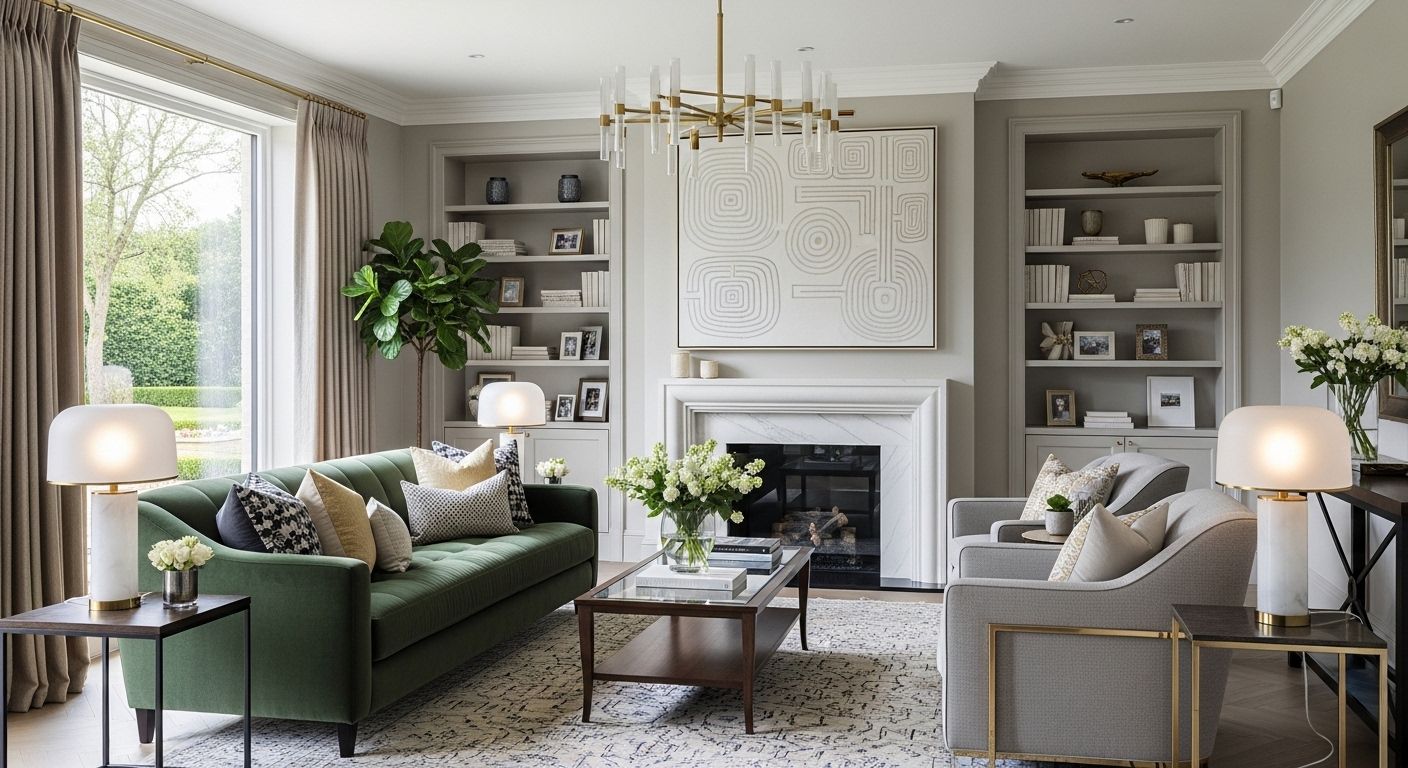
Construction and interior design work best when integrated from the start of a project. While construction provides the structural strength, safety, and functionality of a building, interior design shapes the experience, comfort, and visual appeal of the space. Successful projects combine both disciplines to improve efficiency, reduce costs, and create cohesive, high-performing environments. Modern trends such as sustainable materials, smart technology, minimalist layouts, and philosophic design continue to shape how spaces are built and experienced, turning buildings into purposeful and inspiring environments.
Where Construction Meets Interior Design
Construction and interior design are often seen as two separate worlds. One focused on structure and strength, the other on beauty and aesthetics. In reality, the most successful spaces are born when both disciplines work seamlessly together.
Whether it’s a residential home, corporate office, retail space, or hospitality project, great spaces begin with strong foundations and are completed with thoughtful design.
Building the Foundation: The Role of Construction
Construction is more than bricks, steel, and concrete. It is the backbone of every functional space. It determines safety, durability, efficiency, and long-term value.
A well-executed construction project ensures:
- Structural integrity and compliance with building regulations
- Proper planning of plumbing, electrical, and mechanical systems
- Efficient use of materials and space
- Long-term sustainability and performance
Without proper construction planning, even the most beautiful design concepts can fail. Precision, technical expertise, and quality workmanship are critical at this stage.
Trends Shaping Modern Construction & Interior Design
Today’s projects are driven by innovation and sustainability. Some key trends include:
1. Sustainable & Eco-Friendly Materials
Energy-efficient systems, recycled materials, and sustainable finishes are becoming industry standards.
2. Smart Spaces
Integrated technology — smart lighting, climate control, and security systems — enhances both functionality and comfort.
3. Minimalist & Functional Design
Clean lines, open layouts, and purposeful design create timeless and practical spaces.
4. Biophilic Design
Incorporating natural elements like plants, wood textures, and natural light improves well-being and connection to nature.
From Vision to Reality
Successful projects start with a clear vision and a team that understands both structure and style. When construction expertise meets creative interior design, the result is more than just a building — it becomes a space that tells a story, serves a purpose, and stands the test of time.
Every wall built is an opportunity. Every space designed is a chance to inspire